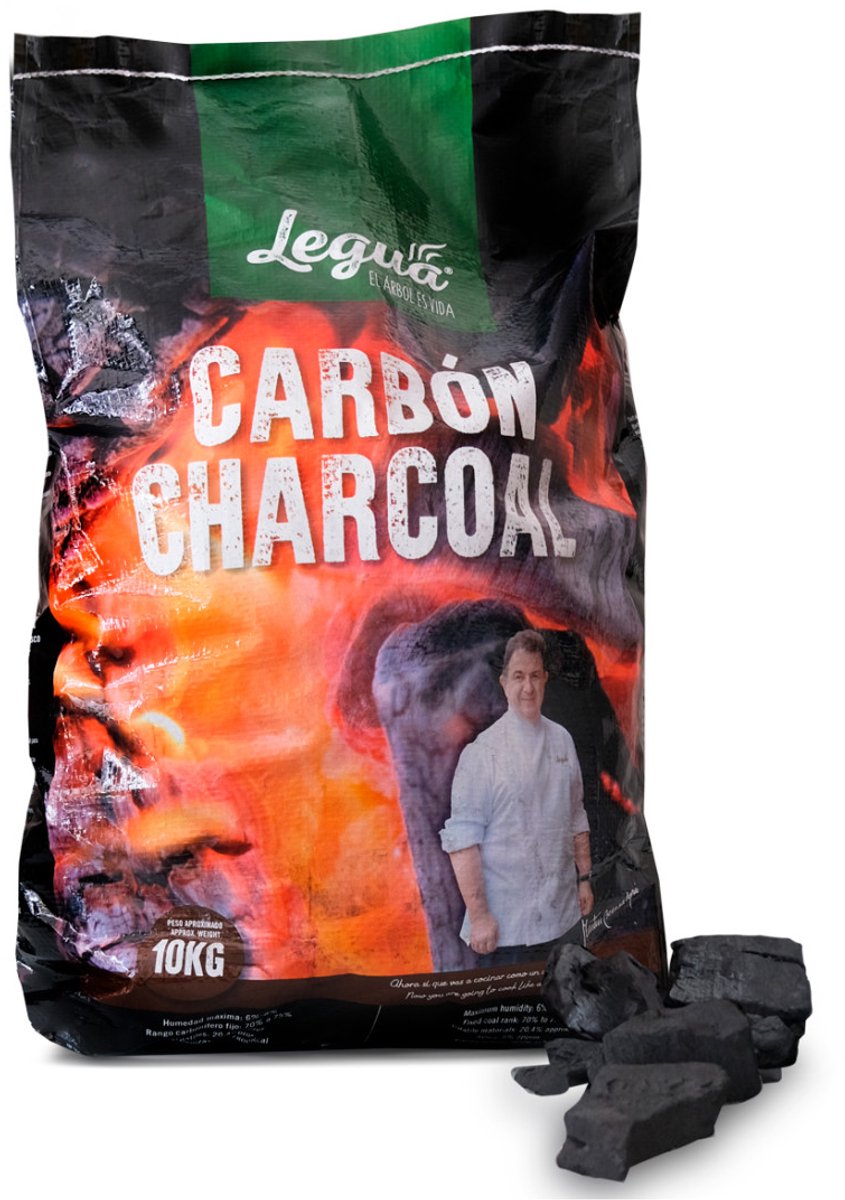
Quebracho is among the densest woods sold as charcoal, and so burns long and hot. Usually the cheapest kilo on this list.
- Quebracho
- Lump charcoal
Sorted by the price of a kilo, not the price on the bag. That matters: bags run from four to ten kilos and sit side by side, sorted by the number on the front.
We do not rank charcoal by burn time. How long a basket lasts depends on how full it is, how far the vents are open and what the weather is doing — none of which we measure. Everything below is off the bag, with one figure we work out ourselves: what a kilo costs.
Lump charcoal only, no briquettes. The binder in a briquette does not burn away, it stays behind as ash, and ash blocks the very opening a kamado draws its air through.
Quebracho is among the densest woods sold as charcoal, and so burns long and hot. Usually the cheapest kilo on this list.
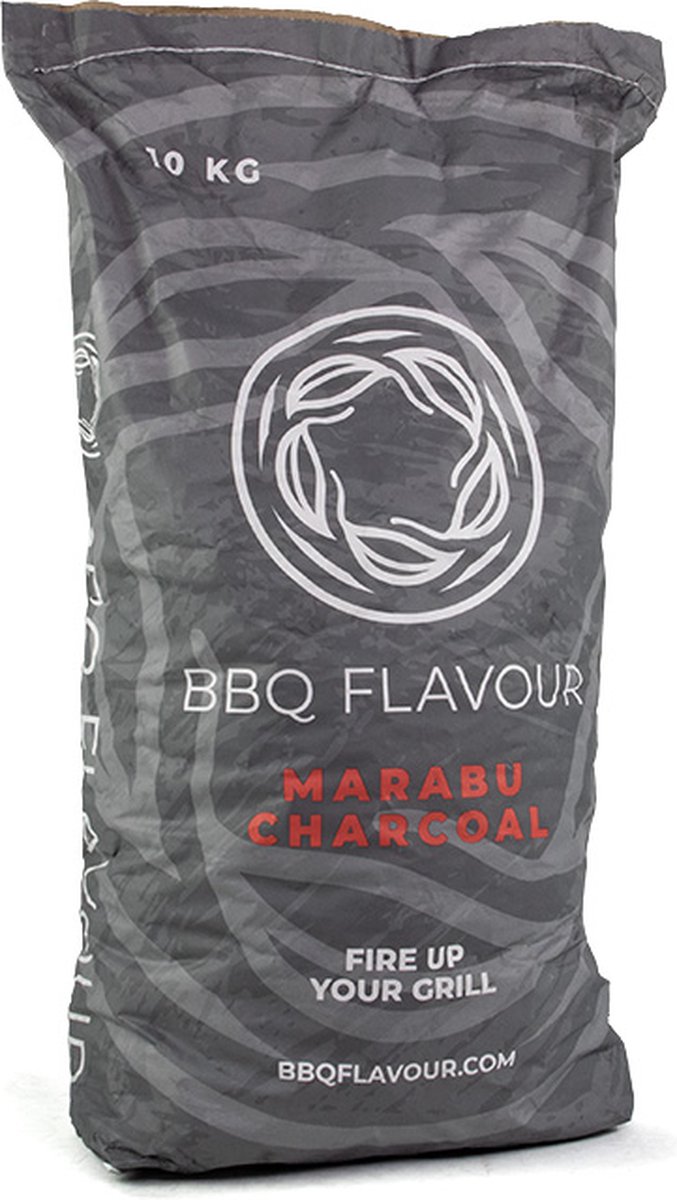
Cuban marabu: dense wood, few sparks and a neutral smoke, which makes it a safe default if you would rather not think about species.
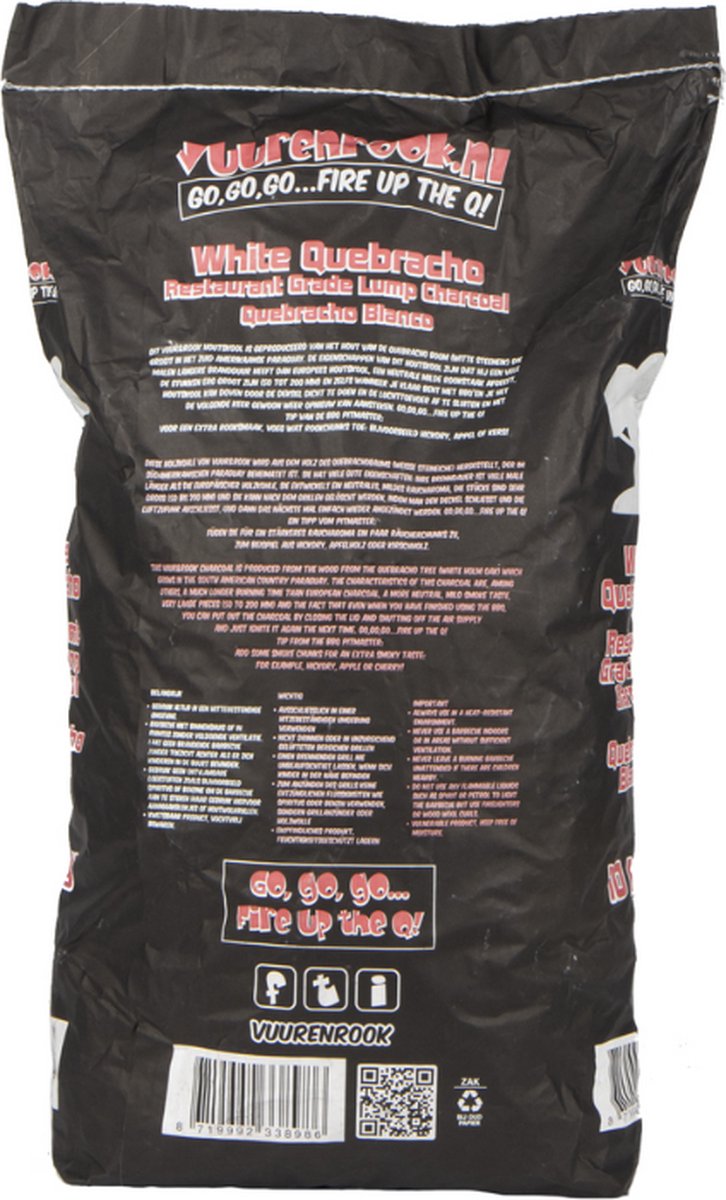
Sold as restaurant grade, which for charcoal is mostly about piece size: large lumps let air through the stack rather than packing down.
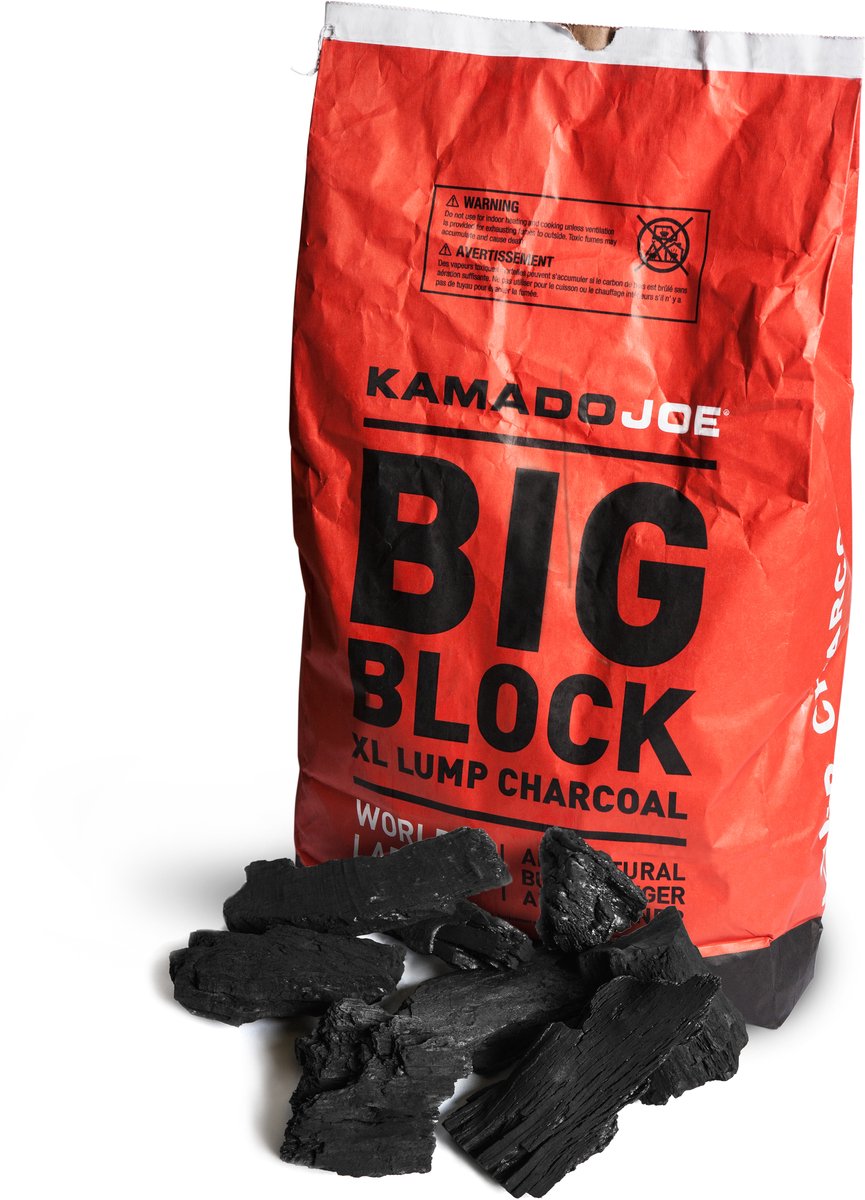
Kamado Joe’s own charcoal, sold on piece size — the name is the pitch. The bag holds 9.07 kilos, which is twenty American pounds.
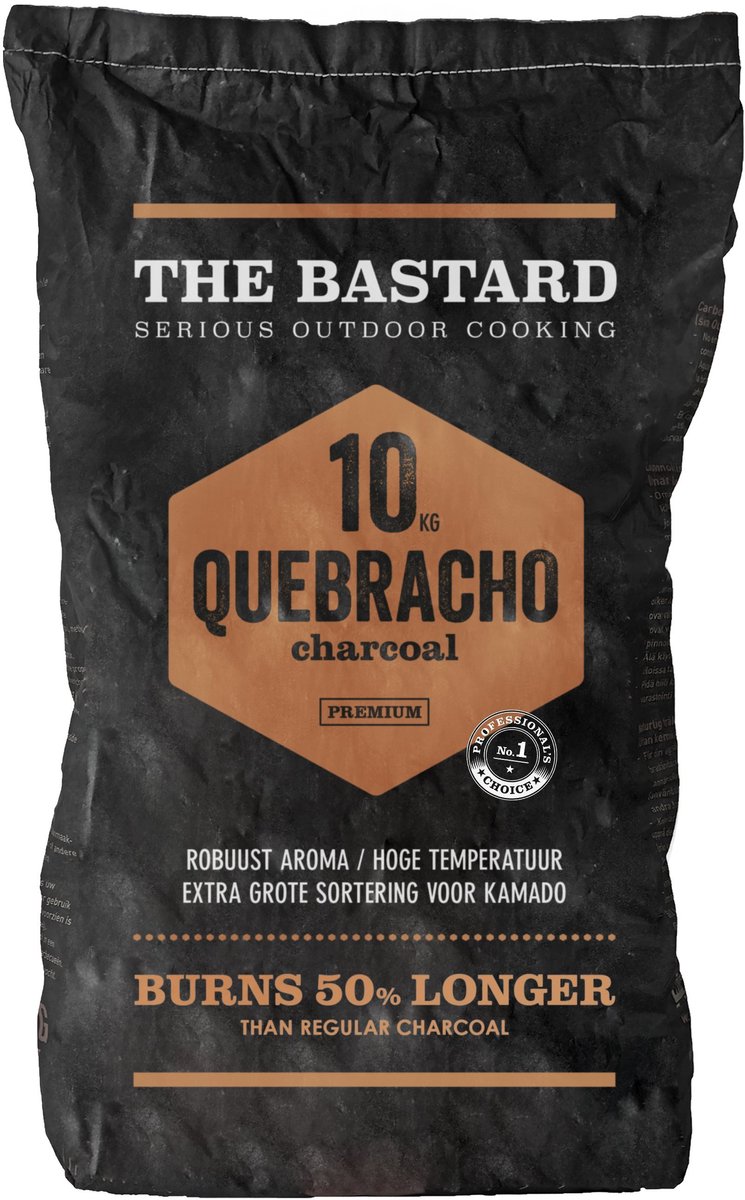
The same wood as the Legua, under a brand that also makes kamados. Whether that is worth the difference this list does not say — the price per kilo is next to it.
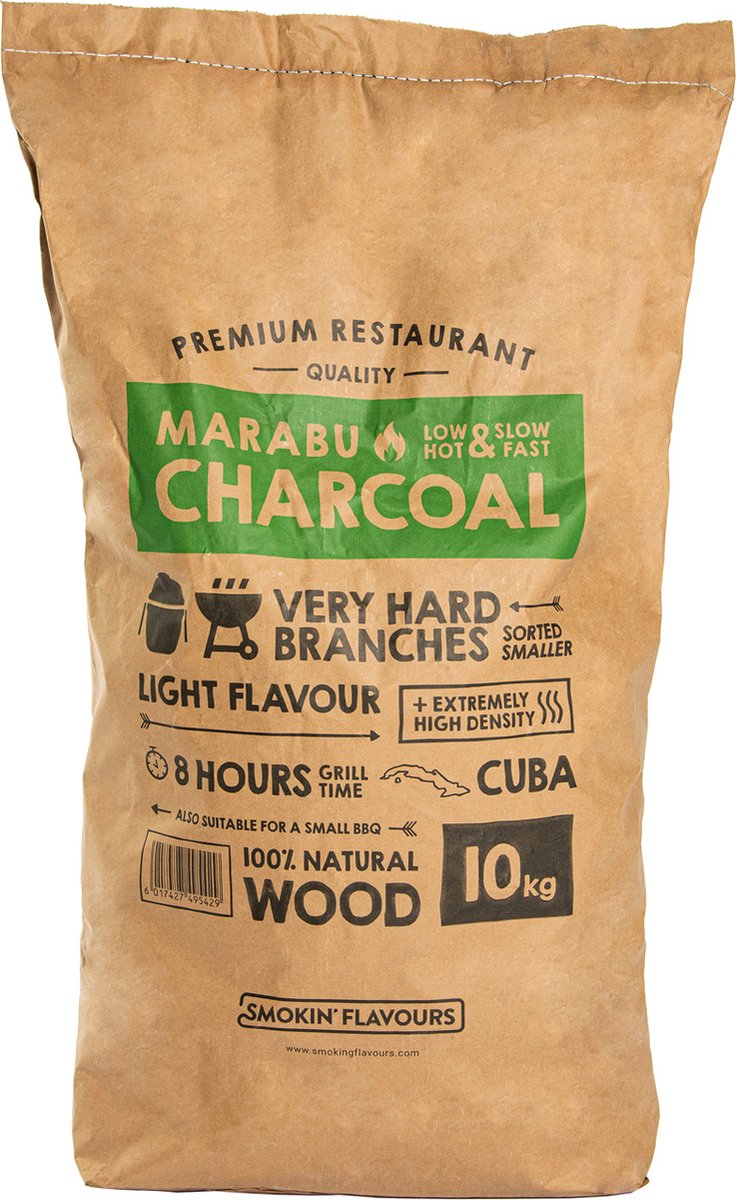
Marabu with a long burn, in the same bracket as the other marabu here. Useful when that one is out of stock, since availability shifts weekly.
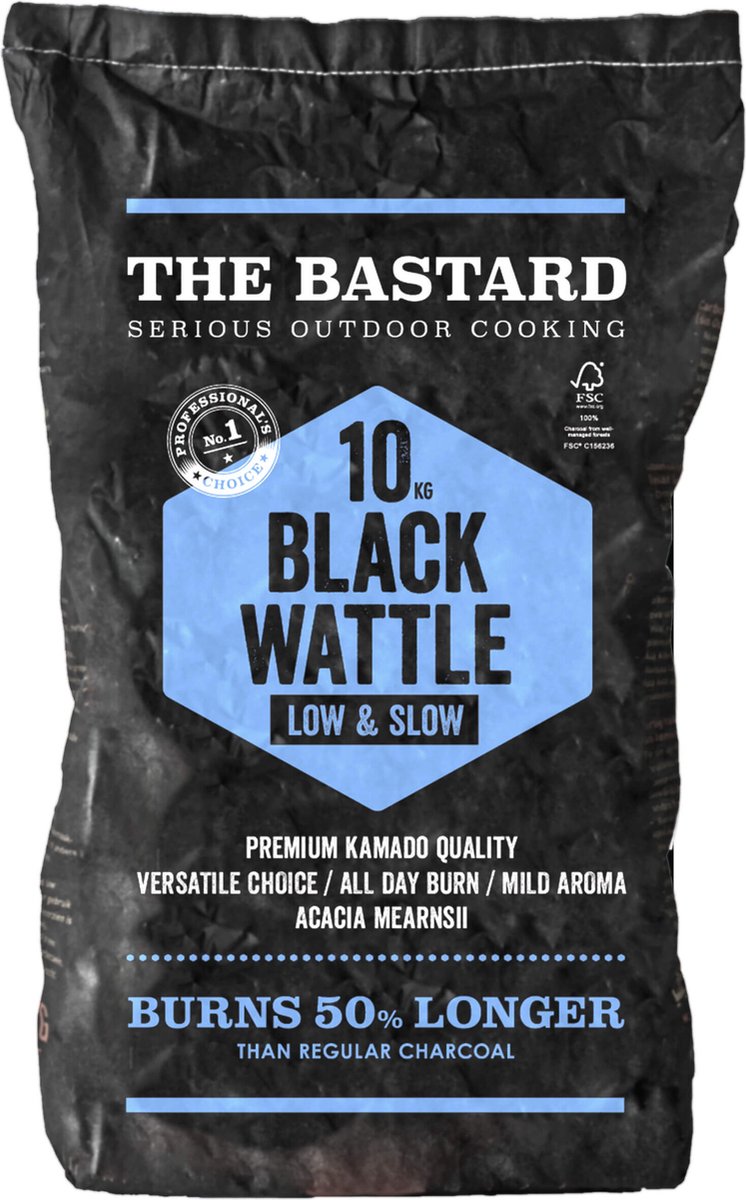
Acacia charcoal, a little quicker to catch than quebracho and with a more pronounced smoke. A choice for anyone who does want to taste it.
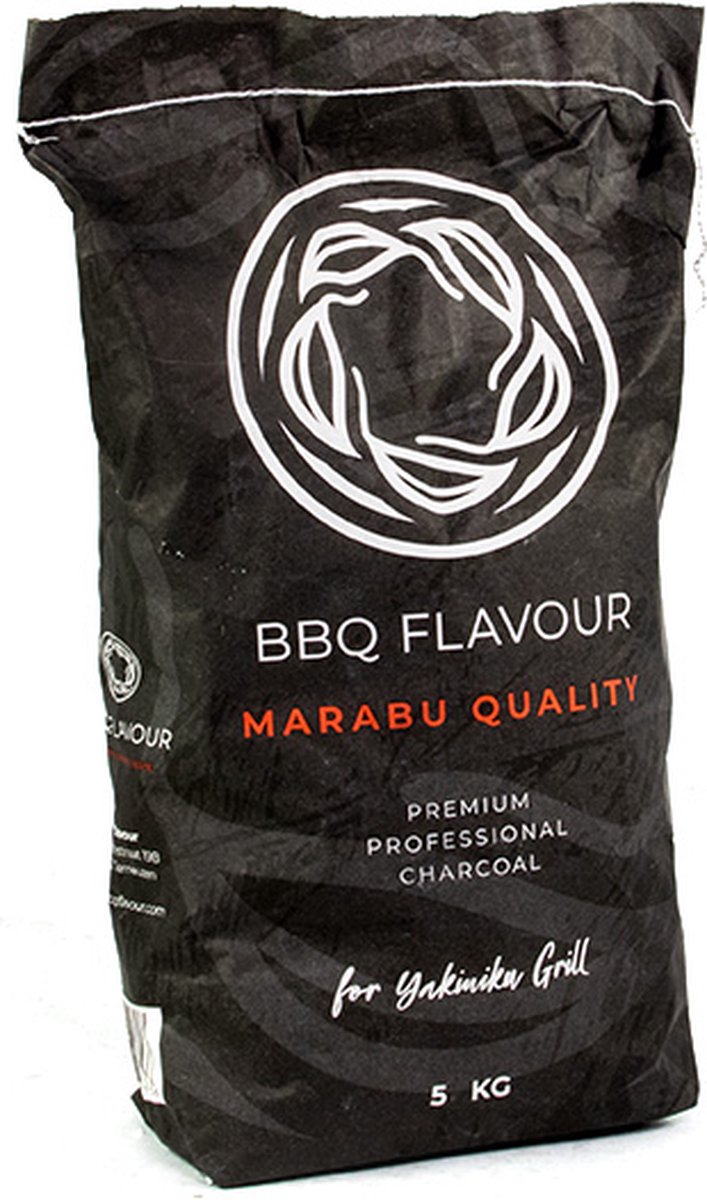
The same charcoal as the ten-kilo bag, in half a bag — and about twenty percent dearer per kilo. Worth it only if you genuinely have nowhere to put the big one.
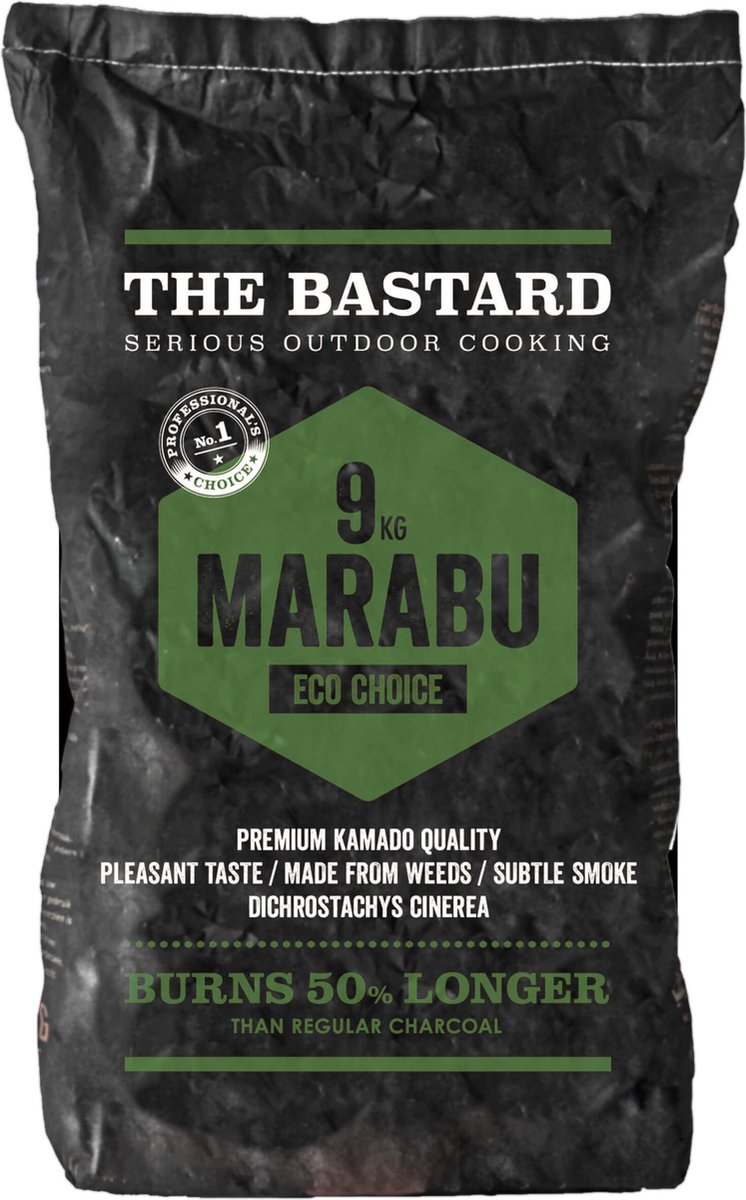
Nine kilos rather than ten, which puts the price per kilo higher than the bag suggests. Precisely what this list exists for.
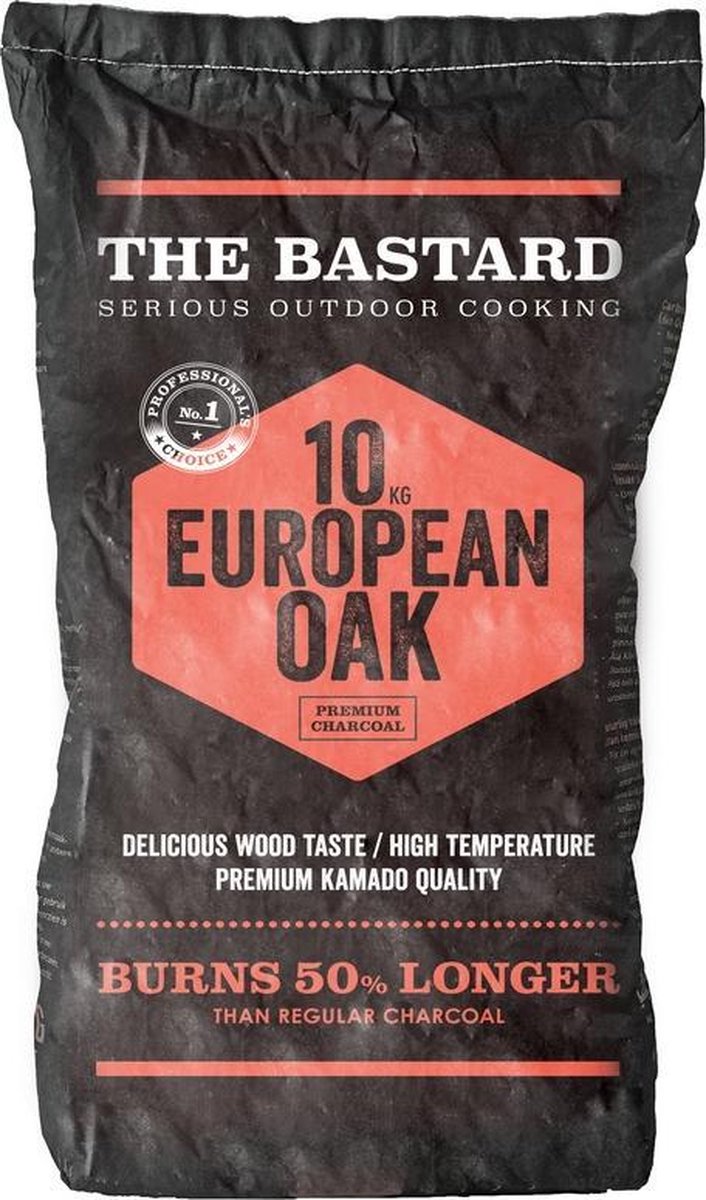
European oak rather than tropical hardwood, which shortens the journey it made. Burns for less time than quebracho, and that difference shows in the price per kilo too.
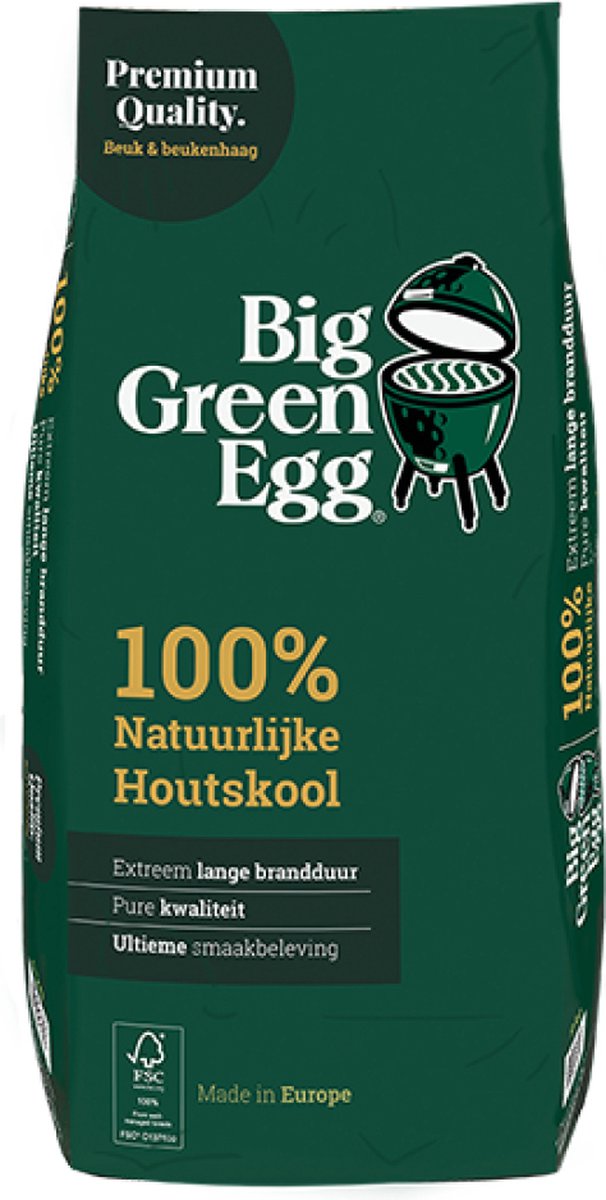
Big Green Egg’s own charcoal. The bag names no species, so neither does this — guessing would invent the one fact you are choosing on.
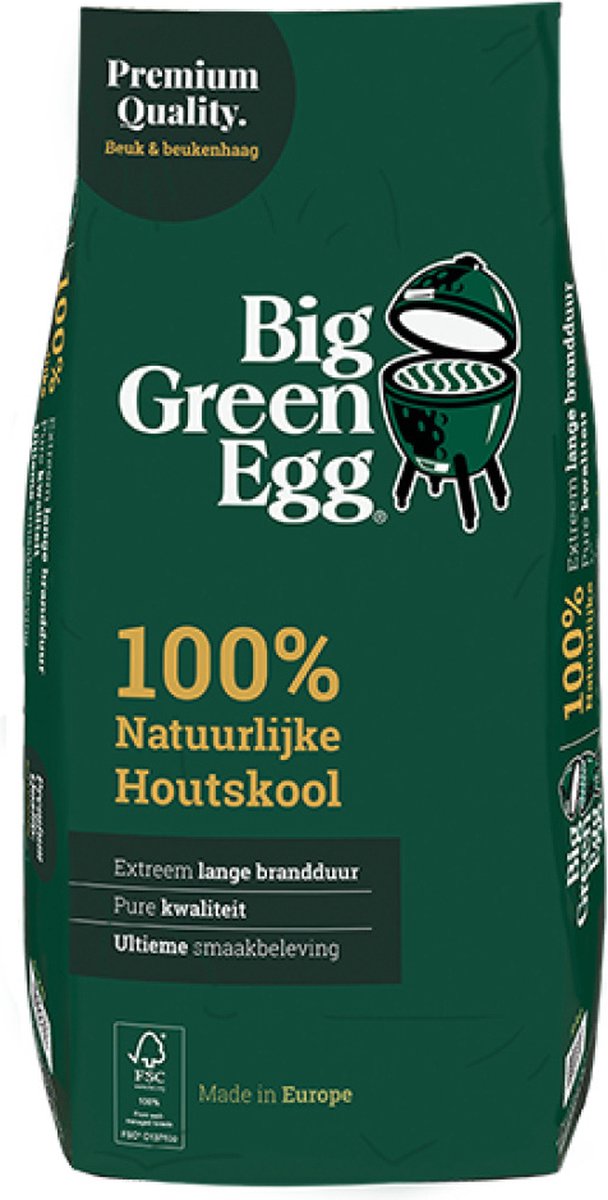
The same charcoal as the nine-kilo bag, in half. Forty percent dearer per kilo, and on the shelf it sits beside it with a smaller number on the front.
Kamadobbqdeal earns commission when you buy something through a link on this page. It costs you nothing extra and does not decide which kamado we recommend. Read how that works